Deep Tissue Massage Near You
Find Deep Tissue Massage treatments Near You!
Deep Tissue Massage near & local to you!
Deep tissue massage is a focused treatment for persistent muscle tension, stiffness and areas of the body that feel difficult to loosen through rest or gentle stretching alone. It uses slow movements and carefully controlled pressure to reach deeper muscle layers and the connective tissue surrounding them.
People with tight shoulders commonly choose the treatment, a stiff lower back, restricted movement or muscular discomfort linked to work, exercise, travel and everyday stress. It can focus on one problem area or form part of a wider treatment covering several connected muscle groups.
Deep tissue massage is widely available in cities such as London, New York, Sydney, Melbourne, Toronto, Dubai, Singapore and Auckland. Treatments may be offered in massage studios, wellness clinics, hotels, spas or as an incall or mobile service, depending on the provider and local market.
- Best suited to: persistent tightness, muscular knots, stiffness and targeted recovery
- Typical pressure: medium-firm to firm, adjusted to the client
- Common session length: 60 or 90 minutes
- Main focus areas: back, shoulders, neck, hips, glutes and legs
- After-effects: improved movement, reduced tension and possible temporary tenderness
What Is Deep Tissue Massage?
Deep tissue massage is a form of bodywork that targets deeper muscle fibers and fascia through slower, more deliberate techniques. Fascia is the connective tissue that surrounds muscles and helps different structures move together. When muscles remain tense for long periods, both the muscle tissue and surrounding fascia can begin to feel restricted.
The word "deep" does not mean that the therapist should immediately use maximum force. Effective deep tissue work is gradual. The therapist normally warms the area first, observes how the tissue responds, and increases pressure only when the muscles begin to soften.
This makes deep tissue massage different from an aggressive or painful treatment. The objective is to create enough pressure to work effectively without causing the body to tense defensively. A skilled therapist combines technical knowledge with regular communication and adapts the session throughout.
How Deep Tissue Massage Works
Muscle tension can develop for many reasons. Long periods at a desk may shorten the muscles across the chest and hips while overloading the neck and upper back. Driving can place continuous strain on the lower back, shoulders, and legs. Repetitive exercise may leave certain muscles overworked while others become less active.
Emotional stress can also affect the body. Many people unconsciously raise their shoulders, tighten their jaw, or brace their back during stressful periods. When this pattern continues, the tension may remain even after the source of stress has passed.
During a deep tissue session, the therapist works through these areas slowly. Sustained pressure can encourage a tense muscle to soften, while strokes following the direction of the muscle fibers can improve local movement. Cross-fiber techniques may be used on smaller areas that feel thick, tight, or restricted.
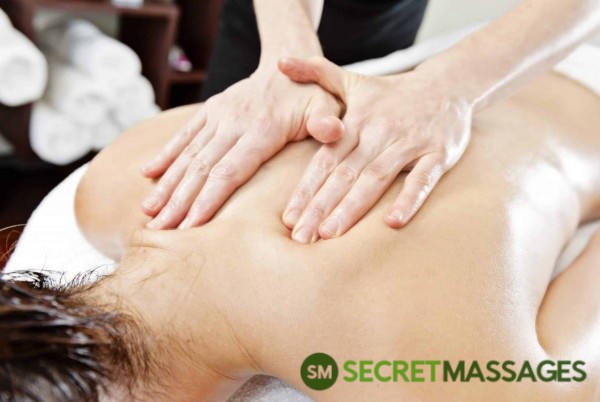
The treatment may involve the therapist's palms, fingers, thumbs, knuckles, forearms or elbows. Different tools are used according to the size and sensitivity of the area. Broad pressure may suit the back or thighs, while more precise work may be appropriate around the shoulders or hips.
Who May Benefit from Deep Tissue Massage?
Deep tissue massage can suit a wide range of clients because the treatment can be adapted to different bodies, lifestyles, and pressure preferences. It is not reserved for athletes or people with physically demanding jobs.
| Client or Situation | How the Treatment May Help |
|---|---|
| Office and remote workers | Targets tension across the neck, shoulders, upper back and hips that may develop after prolonged sitting. |
| Frequent travellers | Helps address stiffness in the back, hips and legs following long flights, train journeys or extended periods in a car. |
| Physically active clients | Works on tired or overused muscles and may support comfortable movement between training sessions. |
| Manual workers | Focuses on muscle groups repeatedly used for lifting, carrying, standing or other demanding tasks. |
| Clients with recurring tightness | Provides more targeted work than a light treatment when the same areas repeatedly become tense. |
| People under sustained stress | Helps release physical tension held in areas such as the shoulders, jaw, back and hips. |
Deep tissue massage is a wellness treatment and should not be presented as a replacement for medical diagnosis, physiotherapy or treatment prescribed by a healthcare professional.
Common Techniques Used by Deep Tissue Therapists
A deep tissue session does not normally consist of one technique repeated across the entire body. The therapist selects and combines methods according to the client's concerns, the area being treated, and the way the tissue responds.
Slow gliding strokes
Long, controlled strokes help warm the muscles and allow the therapist to assess where movement feels smooth and where resistance begins. The pressure can gradually increase as the area relaxes.
Sustained compression
The therapist may apply steady pressure to a tense muscle for several seconds before slowly releasing it. This is often used on broader areas such as the back, thighs or glutes.
Cross-fibre work
Cross-fiber movements travel across the direction of the muscle fibers rather than along them. They may be used on smaller, stubborn areas of tightness, although the pressure should remain controlled.
Trigger point techniques
A trigger point is a sensitive area within a tight muscle that may produce discomfort locally or in another part of the body. The therapist may hold moderate pressure over the area and release it gradually.
Stretching and mobilisation
Some sessions include gentle stretching or movement of a joint within a comfortable range. This may be particularly useful when stiffness affects the hips, shoulders or legs.
Deep Tissue Massage for Exercise and Physical Activity
People who train regularly often book deep tissue massage when certain muscle groups remain tight between workouts. Runners may request work on the calves, hamstrings, quadriceps and hips, while clients who lift weights may carry more tension through the shoulders, chest, back and arms.
Deep tissue work can be useful for general muscle maintenance, but it should not automatically be treated as an injury service. A client with a suspected tear, acute swelling, severe pain or recent injury should seek appropriate medical or rehabilitation advice before booking firm massage.
People who want treatment built specifically around training, competition and athletic movement may prefer a dedicated sports massage. Sports massage can include deep pressure, but it may also involve functional assessment, event preparation and recovery techniques selected for a particular activity.
What Happens During a Session?
A professional appointment should begin with a brief consultation. The therapist may ask about areas of tension, previous injuries, current health conditions, medications, recent surgery, and your preferred pressure. This information helps determine whether deep tissue massage is suitable and which areas should be avoided or treated more gently.
You may be asked to indicate where you feel restricted rather than simply pointing to where it hurts. Discomfort in one area can sometimes relate to tension elsewhere. For example, restricted hips may contribute to lower back tightness, while tension across the chest may affect how the shoulders sit.
The therapist will usually begin with lighter contact and warming strokes. Deeper techniques are then introduced gradually. You should feel able to speak throughout the session and ask for less or more pressure when needed.
Depending on the provider, the treatment may use massage oil, lotion, balm or minimal product. Draping should protect your privacy, with only the area currently being treated uncovered.
Should Deep Tissue Massage Hurt?
Deep tissue massage can feel intense, especially when the therapist reaches an area that has been tight for a long time. However, intensity and pain are not the same thing.
A strong but manageable sensation may feel productive and gradually ease as the tissue softens. Sharp, burning, electrical, or unbearable pain is a sign that the pressure should be reduced or the technique stopped. More force does not automatically produce a better result.
Clients also vary considerably. Pressure that feels moderate to one person may feel excessive to another. An experienced therapist responds to the individual rather than applying the same level of force to every client.
Tell the therapist when the pressure feels too light, too strong or uncomfortable in the wrong way. Clear feedback helps the therapist provide a safer and more effective treatment.
Deep Tissue Massage vs Swedish Massage
Deep tissue and Swedish massage can use some similar movements, but their usual purpose and intensity differ. Deep tissue massage focuses more closely on persistent tension and restricted areas. The strokes tend to be slower, and the therapist may spend more time on fewer muscle groups.
A Swedish massage normally uses flowing strokes, kneading, and rhythmic movements across a wider area of the body. Pressure may range from light to firm, but the overall experience is often more balanced between muscle relief and relaxation.
| Feature | Deep Tissue Massage | Swedish Massage |
|---|---|---|
| Main aim | Target persistent tension and restricted muscles | Encourage relaxation, circulation and general muscle comfort |
| Usual pressure | Medium-firm to firm | Light to medium, although firmer pressure may be requested |
| Pace | Slow and focused | Flowing and rhythmic |
| Coverage | Often concentrates on selected problem areas | Commonly covers a broader area or the full body |
| Best suited to | Recurring tightness, stiffness and targeted bodywork | General wellbeing, first-time clients and everyday tension |
How Long Should a Deep Tissue Massage Last?
A 60-minute appointment is usually enough for one or two main areas, such as the back and shoulders or the hips and legs. It may not provide enough time for detailed work across the entire body.
A 90-minute session gives the therapist more time to warm the muscles properly and work through several connected areas without rushing. This length may suit clients with tension across both the upper and lower body.
Short sessions of 30 or 45 minutes are sometimes offered for highly targeted treatment. These appointments may work well for one region, but they should not be expected to provide detailed deep tissue work across every major muscle group.
Clients seeking broad coverage may also consider a full body massage. The therapist can still incorporate firmer techniques where appropriate, while distributing the available time across the back, shoulders, arms, legs and other agreed areas.
Benefits of Regular Deep Tissue Massage
Some clients feel a noticeable difference after one appointment, particularly when the tension is recent or limited to one area. Long-standing tightness may require a more gradual approach.
Regular sessions can help clients become more aware of where they hold tension and which daily habits contribute to it. This may encourage useful changes such as adjusting a desk setup, taking more movement breaks, improving exercise recovery, or stretching more consistently.
Potential benefits commonly associated with deep tissue massage include:
- Reduced feelings of muscle tightness
- Greater ease of movement
- Improved flexibility in frequently used muscle groups
- Relief from stiffness linked to sitting, standing or travel
- Support for recovery after normal physical activity
- A greater sense of physical relaxation
- Improved awareness of posture and movement habits
The response varies between clients. Massage may support comfort and wellbeing, but claims that it can cure injuries, remove toxins or correct medical conditions should be treated cautiously.
Is Tenderness Normal After Treatment?
Mild tenderness can occur after a deep tissue session, particularly if the pressure was firm or the muscles had not been treated recently. The sensation may resemble normal post-exercise soreness and often settles within a day or two.
Strong pain, extensive bruising, numbness, or symptoms that continue to worsen are not normal goals of treatment. Contact an appropriate healthcare professional if you experience concerning symptoms.
Aftercare does not need to be complicated. Give the treated muscles time to settle, avoid an unusually intense workout immediately afterward, and continue normal hydration. A warm shower, gentle walking or comfortable stretching may also help you relax.
How Often Should You Book?
The right frequency depends on your lifestyle, budget, goals and response to treatment. There is no requirement to follow a fixed schedule.
| Reason for Booking | Possible Schedule |
|---|---|
| Occasional muscle tightness | Book when needed, allowing the body to recover fully between sessions. |
| Desk-related tension | Every three to six weeks may suit clients who repeatedly become tight through the neck and shoulders. |
| Regular exercise | Sessions may be arranged around training intensity, rest periods and individual recovery needs. |
| General body maintenance | A monthly or six-weekly appointment is a common personal preference. |
These are general examples rather than medical recommendations. More frequent massage is not automatically more effective.
Typical Deep Tissue Massage Prices Worldwide
Prices vary widely between countries and even between neighborhoods within the same city. Independent therapists, wellness clinics, hotel spas, and mobile providers can operate at very different price levels.
The following ranges are broad guides for a standard 60-minute treatment. They should not be treated as fixed local rates.
| Location | Indicative 60-Minute Range | Market Notes |
|---|---|---|
| London | £60 to £130 | Central clinics, hotels and mobile appointments may sit toward the upper end. |
| New York | US$100 to US$220 | Rates vary by borough, provider type, spa level, and whether gratuity is expected. |
| Toronto | CA$100 to CA$180 | Prices may differ between registered therapeutic services and general wellness massage. |
| Sydney | AU$90 to AU$180 | Remedial clinics, day spas and hotel treatments may use different pricing structures. |
| Dubai | AED 250 to AED 750+ | Independent studios and luxury hotel spas occupy very different price bands. |
| Singapore | S$90 to S$200 | Premium central locations and hotels may charge more. |
Session length, therapist experience, travel costs, location, facilities and included extras can all affect the final fee. Always confirm the duration, service location and total price before making a booking.
When Deep Tissue Massage May Not Be Suitable
Deep tissue massage is not appropriate for every person or every situation. Tell the therapist about relevant medical conditions, recent procedures and medications before treatment.
Firm massage may need to be avoided, postponed or adapted when a client has:
- A recent fracture, operation or acute injury
- Open wounds, burns, rashes or contagious skin conditions
- Severe bruising or active inflammation
- A known or suspected blood clot
- A bleeding disorder or medication affecting blood clotting
- Advanced osteoporosis or unusually fragile bones
- Fever, infection or significant illness
- Loss of sensation in the area being treated
- A condition for which a healthcare professional has advised against massage
Pregnant clients should book a therapist trained in pregnancy massage and provide accurate information about their stage of pregnancy and health. The techniques, pressure and positioning may need to be changed considerably.
Choosing Between Deep Tissue and Relaxing Massage
Your main objective should guide the treatment choice. Deep tissue massage is usually more appropriate when you want focused work on muscular tightness and do not mind a more intensive session.
When the priority is switching off, slowing down and enjoying gentle bodywork, a relaxing massage may provide a better experience. A lighter treatment can still ease everyday tension without concentrating extensively on sensitive knots or deeper muscle layers.
Neither option is universally better. The right choice depends on how your body feels, the amount of pressure you enjoy,y and what you want from the appointment.
How to Choose a Deep Tissue Massage Therapist
Look beyond claims about strong pressure. A good deep tissue therapist should listen carefully, explain how the session will be approached, and respond professionally to feedback.
Review the therapist's profile, treatment description, stated experience and available client feedback. Check whether the provider offers incall, mobile or hotel appointments and whether any travel charge applies.
You should also confirm the boundaries and nature of the advertised service before booking. Treatment descriptions can vary between providers and countries, so clear communication helps avoid misunderstandings.
Secret Massages allows adults to browse massage providers in destinations around the world, including international centers such as London, New York, Sydney, Melbourne, Dubai, Toronto and Singapore. Profiles can help clients compare locations, treatment styles and appointment options before contacting a provider directly.
Is Deep Tissue Massage Right for You?
Deep tissue massage may be a strong choice when your main concern is persistent tightness, stiffness or tension concentrated in particular muscle groups. It provides a slower and more targeted experience than many general relaxation treatments.
The best sessions are not defined by the greatest possible pressure. They are defined by control, communication, and a therapist who understands when to work more deeply and when to reduce the intensity.
Choose a session length that gives the therapist enough time to address your priority areas, describe your health history honestly, and speak up about pressure throughout the appointment. With the right approach, deep tissue massage can become a useful part of a balanced routine for movement, recovery and physical wellbeing.
Finding Deep Tissue Massage Worldwide
Deep tissue massage is available across most major international cities, from independent studios and private therapists to wellness clinics and hotel spas. Availability and pricing vary, but the core principles remain consistent: careful assessment, gradual pressure, targeted techniques, and communication throughout the treatment.
When comparing providers, consider the type of environment you prefer, the therapist's approach, and whether you want targeted bodywork or a broader experience. A clear profile and direct conversation before booking can help you select a treatment suited to your comfort, schedule, and individual goals.
Related Massage Treatments
Fetish Massage Sensual Massage Lingam Massage Body To Body Massage Sports Massage Lesbian MassageNearby Cities for Deep Tissue Massage
Antananarivo, Vatican City, Jerusalem, Port of Spain, Harare, Torshavn, San Marino, Charlotte Amalie, Algiers, New Delhi, Vientiane, Podgorica, Santo Domingo, Tegucigalpa, Vaduz, Tripoli, Phnom Penh, Willemstad, Tallinn, Lilongwe, Papeete, Pretoria, Pago Pago, Vilnius, Luanda, Maputo, Seoul, Rangoon, Tifariti, Riyadh, Honiara, Hamilton, Doha, Rabat, Warsaw, Conakry, Damascus, Manama, Baghdad, Paramaribo,






Model & Independent Escort In Riyadh...
Advertise with Secret Massages
Create an Ad within minutes & increase your earning potential as we connect you with more clients!